Listen to separate sounds
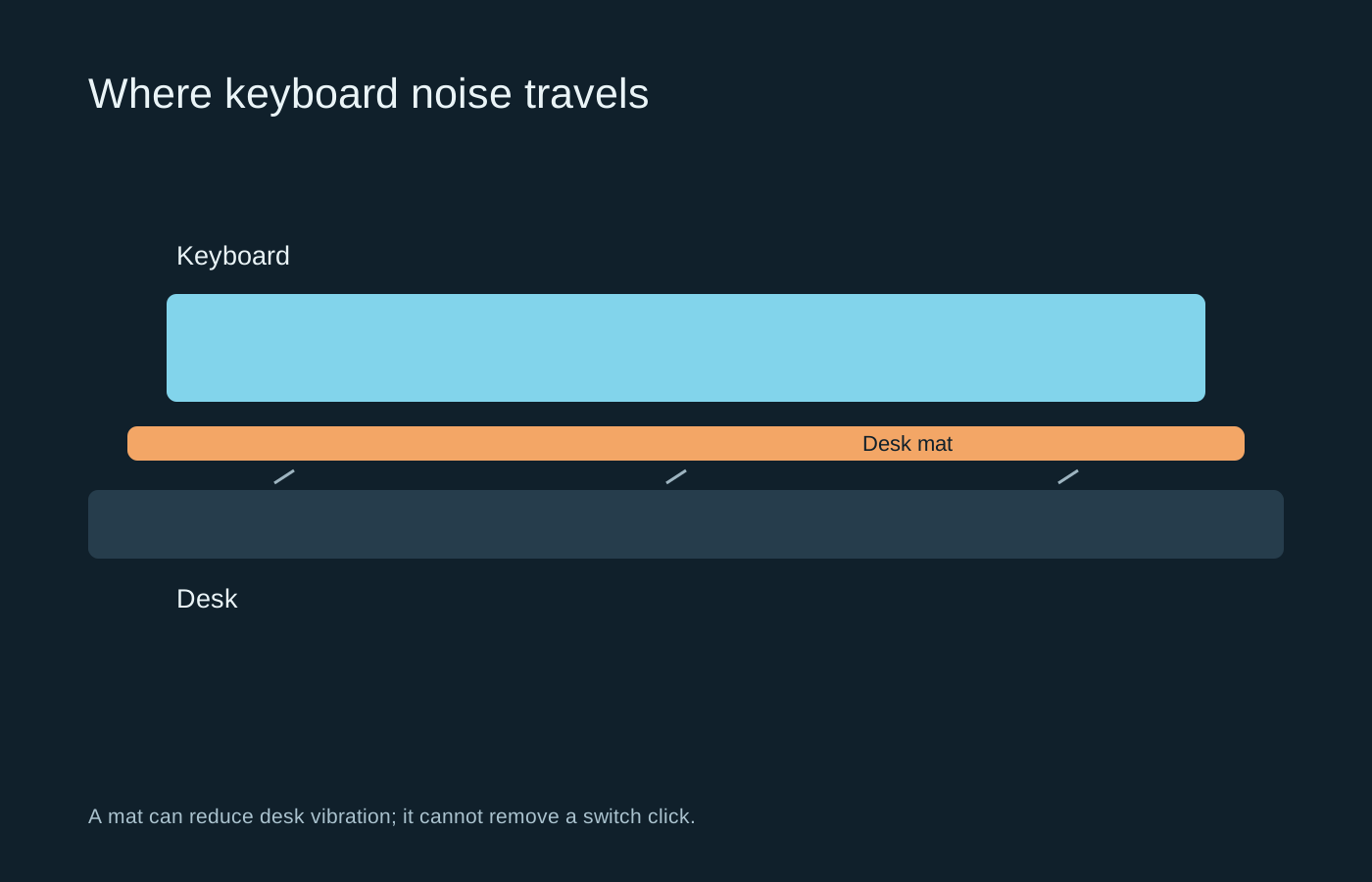
Keyboard noise can include an intentional switch click, the cap reaching the end of its travel, the return stroke and vibration passing into the desk. These do not all respond to the same change. Press one key slowly, then type normally, and listen for which sound dominates.
A mat under the board can reduce some desk vibration. It cannot remove a click mechanism inside a switch. A soft surface also needs to support the keyboard steadily; a board that rocks as you type is not an improvement. Leave any required ventilation or cable clearance unobstructed.
Change the easy part first
Check that the feet are seated and the keyboard is not touching another object that rattles. Move a loose cable or nearby item before buying replacement components. If you use a microphone, its distance and direction can make keyboard noise much more prominent to other people than it sounds to you.
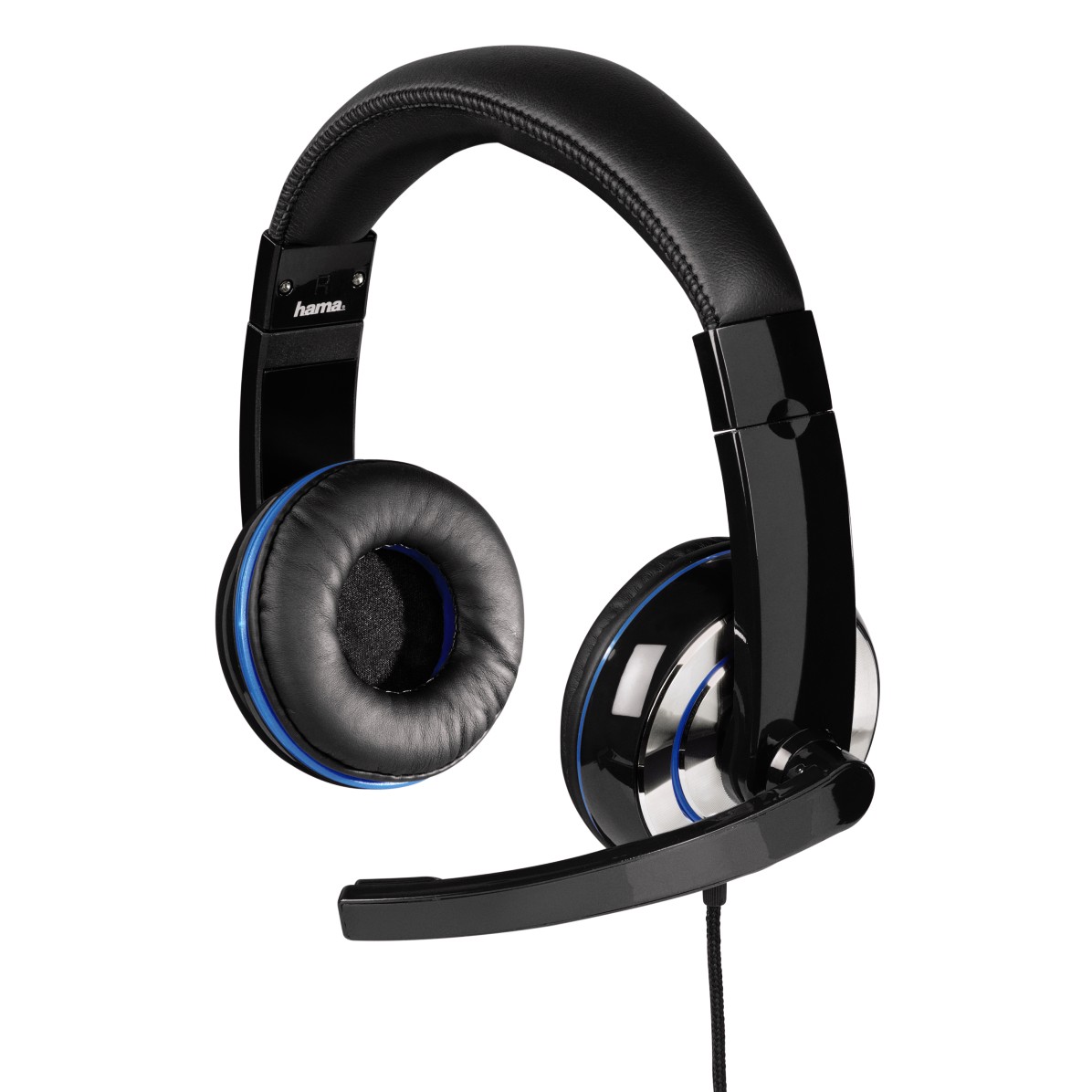
Try repositioning the microphone nearer your mouth and away from the board, following its intended pickup direction. Set the input gain for speech rather than raising it until every quiet word is audible from across the desk. A push-to-talk option may be useful during meetings or group play, provided the assigned button is comfortable to use.
Noise suppression can help, but aggressive processing may clip soft speech or alter consonants. Test a short recording with typing in the background and listen to the voice as well as the keyboard. A setting that removes the keys but makes communication harder has missed the point.
If you are replacing the keyboard
Look for evidence about the complete board, not just the switch colour. Silent switch designs can reduce impact noise, while a non-clicky switch can still be loud in a resonant case. Videos are useful for identifying a sharp click or rattle, but recording equipment and room acoustics prevent reliable volume comparisons between unrelated clips.
Discuss the acceptable level with the person sharing the space. A quieter keyboard, a different microphone position and a change in playing hours may solve different parts of the problem. Avoid opening the board or adding internal foam unless the manufacturer permits the modification and you understand the construction. Start with the reversible changes that address the sound you actually hear.