Start with what must stay out
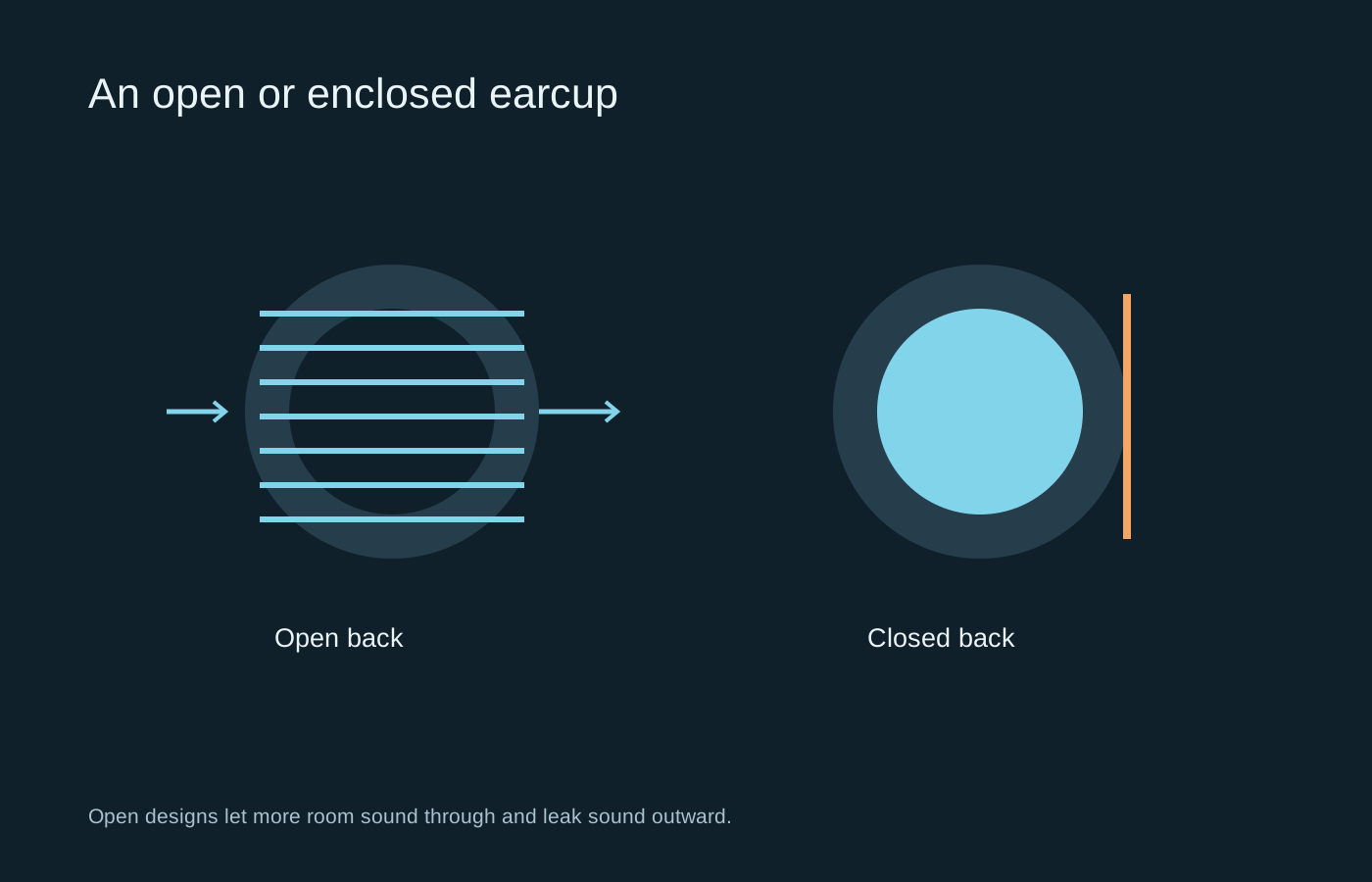
Open-back headphones allow more interaction between the drivers and the surrounding air. They generally let more room sound reach you and more playback escape. Closed-back designs use an enclosed outer cup and can provide more isolation, though the seal and construction still matter.
In a quiet room, an open design may suit someone who wants to hear a door or a person nearby. In a shared room, the same leakage can disturb others or reach a sensitive microphone. A closed design is often more convenient when keeping sound contained matters, but it cannot make every background noise disappear.
Avoid a universal winner
Descriptions such as spacious and immersive are subjective and depend on the headphone and game mix. An open back does not automatically provide better positional information, and a closed back does not automatically have stronger or more accurate bass. Two models within the same category can sound very different.
Use a familiar game scene at a comfortable volume. Listen for speech intelligibility, small environmental sounds and whether the overall balance becomes tiring. Keep any virtual surround processing consistent during the comparison; changing processing and headphones together makes it difficult to know which caused the difference.
Remember the microphone and fit
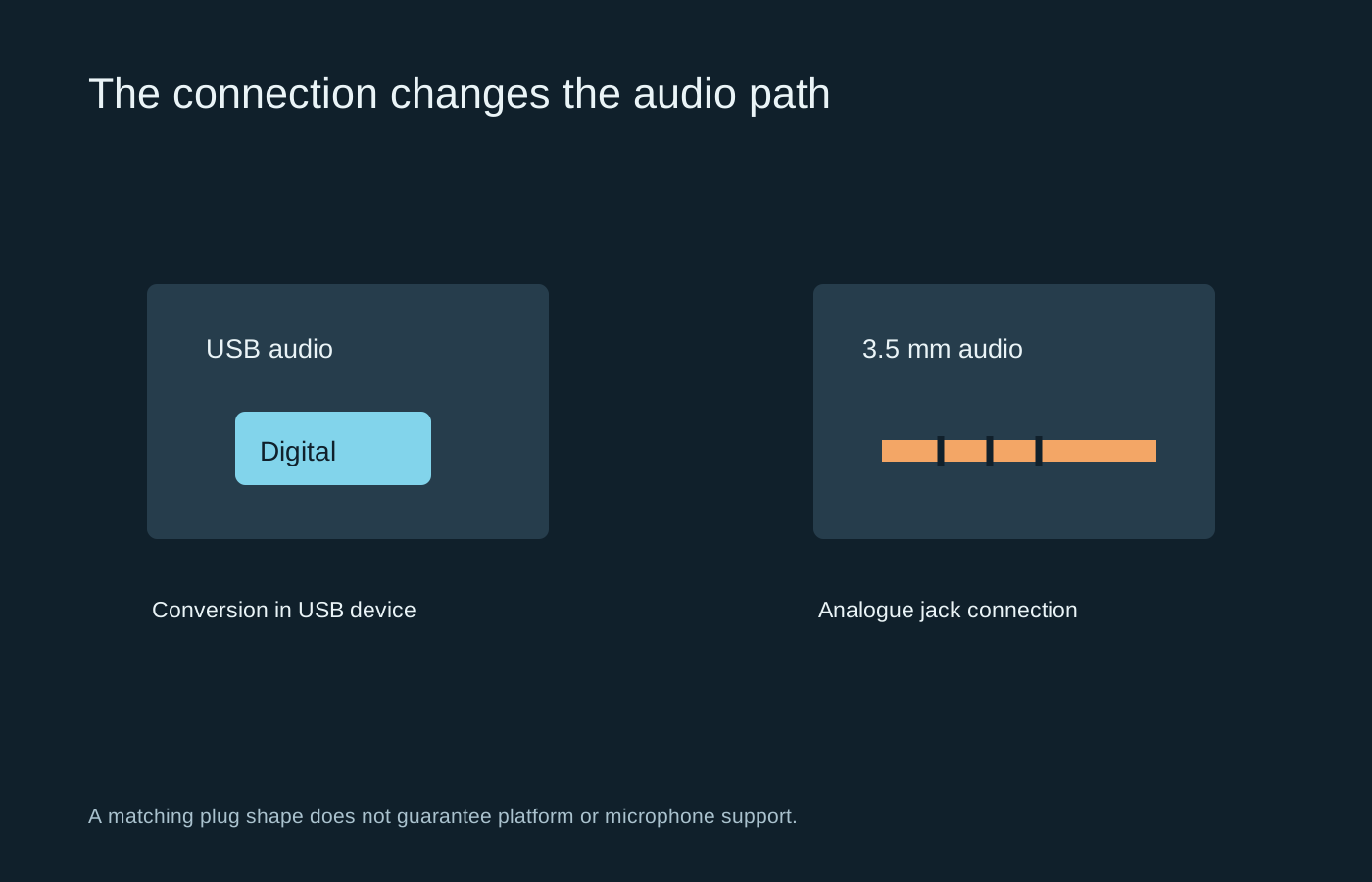
Headphones may not include a microphone. Add the cost, space and connection needs of a separate one if voice chat matters. A headset solves that packaging problem, but still needs to fit and position its microphone properly. Check the actual connection support for your computer or console.
Glasses, cushion wear and cup position can change a closed headphone’s seal. An open design still needs a comfortable headband and enough room for your ears. Do not use the design label as a shortcut around a fit check.
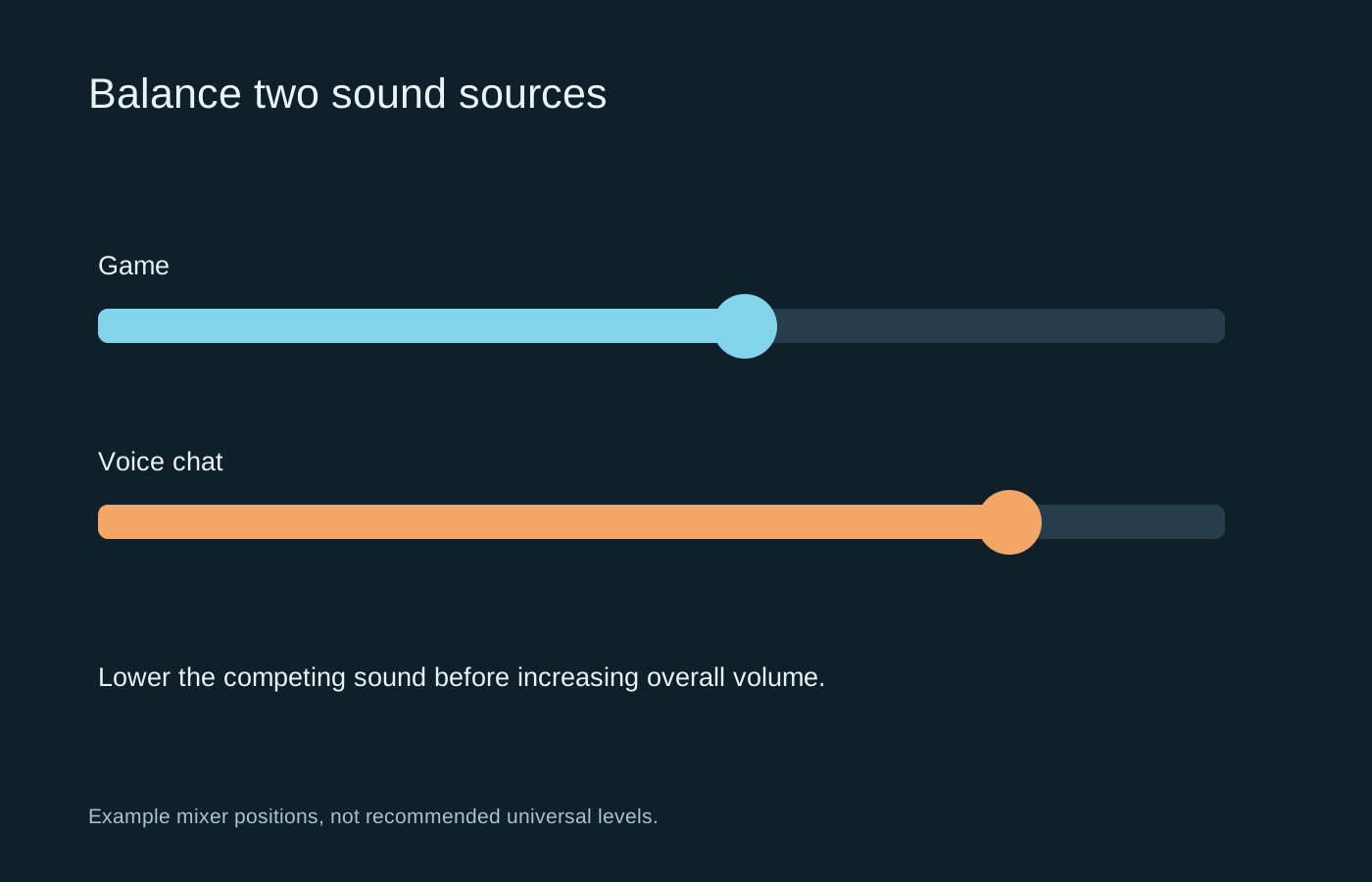
If the room is noisy, avoid compensating by continually turning the volume up. Consider reducing the room noise or choosing better isolation. If sharing the room is the main constraint, ask another person whether they can hear the playback during normal use. That simple check is more relevant than a claim that one construction is always the best choice for gaming.