Read the cleaning instructions for the model
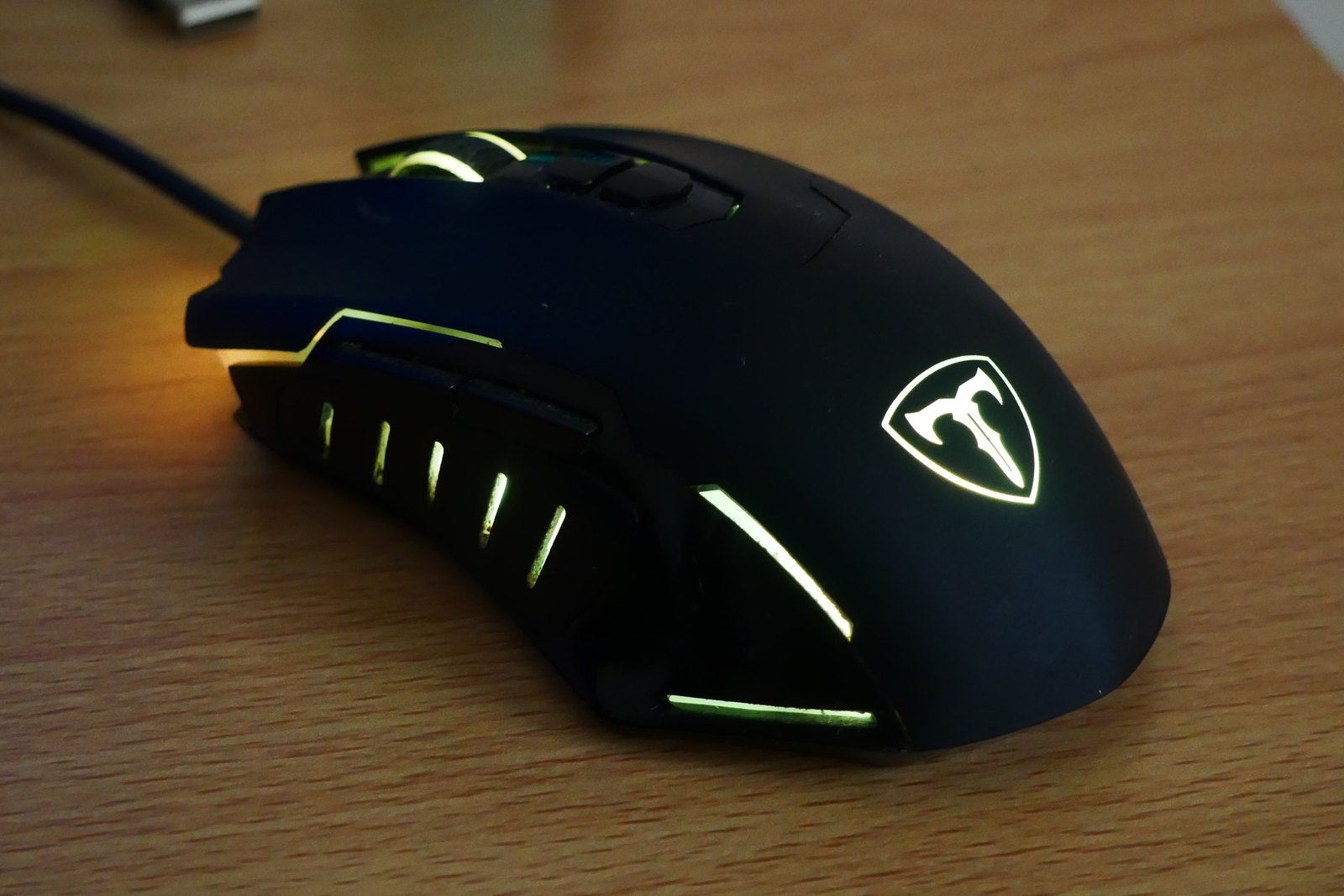
A mouse coating, keyboard keycap and headset cushion may need different treatment. Start with the manufacturer’s guidance rather than applying one household cleaner to everything on the desk. A product safe for hard plastic may damage a soft coating, printed legend or fabric surface.
Disconnect cables and switch off wireless devices before cleaning. Remove user-replaceable batteries only as the instructions allow. Do not open a sealed battery compartment or shell merely to perform routine surface cleaning. Check for damage, swelling or leaked material and seek the appropriate service advice if present.
Remove loose dust gently, then use the recommended cloth and cleaning method. Apply any permitted liquid to the cloth rather than spraying directly into the device. Keep moisture away from ports, switches, seams and sensor openings. A cloth should not be wet enough to drip when pressed against a surface.
Do not turn cleaning into disassembly
Keycaps are not universally removable in the same way. Low-profile and scissor mechanisms can have fragile clips, while stabilised keys may require a particular removal method. If the manual does not support removal, clean around the keys rather than pulling them off with a tool intended for another keyboard.
Likewise, headset cushions may twist, clip or adhere into place. Check how replacement parts are fitted before removing an existing cushion. Let any cleaned component dry fully according to the guidance before reconnecting it. A quick wipe does not make a soaked device safe to power on.
For a spill, disconnect safely and follow the manufacturer’s spill or service instructions. Do not assume routine cleaning advice is a repair procedure for liquid inside the electronics. Avoid testing repeatedly to see whether the device has recovered while moisture may remain.
After ordinary cleaning, reconnect and test the controls at the desktop before returning to a game. If a button now sticks or a sensor behaves differently, stop and inspect the affected area. Keep food and drinks away from the equipment where possible; preventing another spill is simpler than relying on increasingly aggressive cleaning.